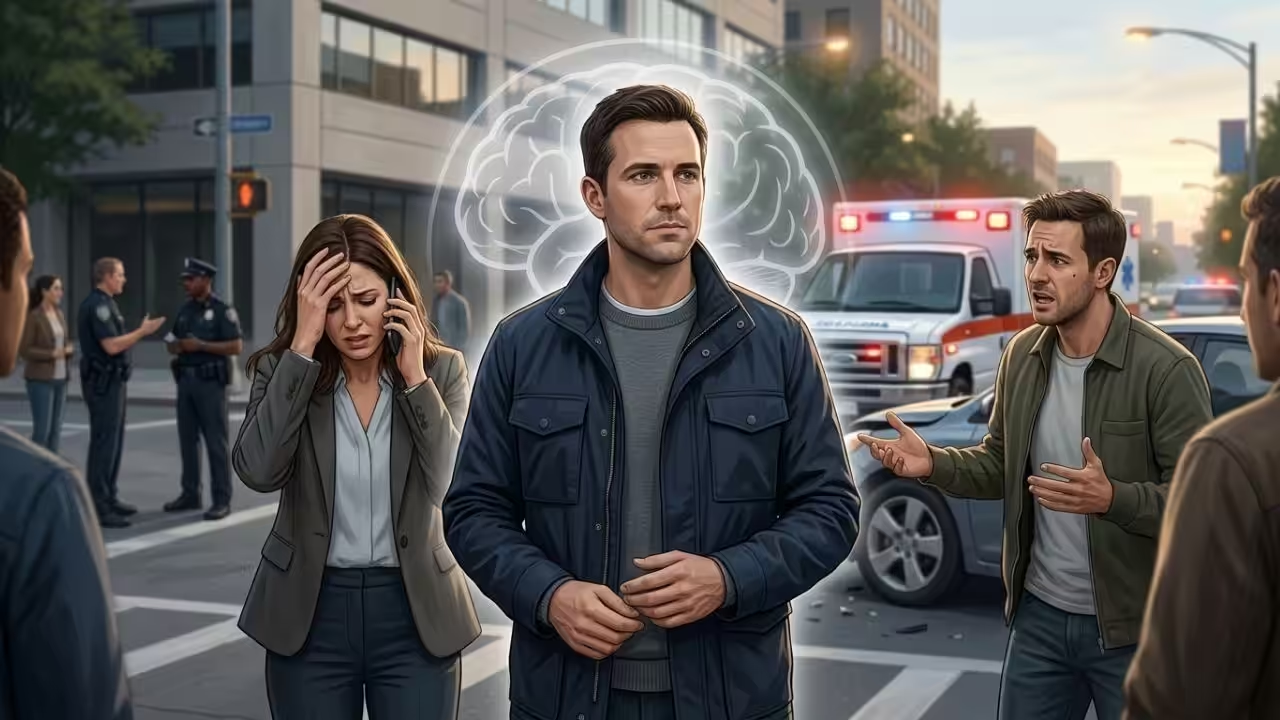
During emergencies, people often react in very different ways. Some panic, become confused, or freeze, while others remain calm and able to make quick decisions. Psychologists and neuroscientists say this difference is linked to how the brain processes stress, a person’s experience, and the development of emotional control over time.
Research from the National Institute of Mental Health stress research page and the CDC Emergency Preparedness and Response portal shows that the human stress response is automatic, but it can be managed through training and awareness. People who stay calm during crisis situations usually have stronger control over their reactions, allowing them to think clearly even when facing danger.
Table of Contents
How the Brain Responds When Danger Appears

When a person senses a threat, the brain activates the survival system. The amygdala detects danger and signals the hypothalamus to release stress hormones such as adrenaline and cortisol. These chemicals prepare the body for immediate action, increasing heart rate, alertness, and muscle strength.
According to the official NIMH explanation of stress and brain response, the prefrontal cortex plays a key role in controlling emotional reactions. This part of the brain helps with reasoning, planning, and decision-making. When this area stays active, a person is more likely to remain calm and think logically rather than react in panic.
Brain Functions During Crisis Situations
| Brain Part | Function | Effect in Emergency |
|---|---|---|
| Amygdala | Detects fear and threat | Triggers stress response |
| Hypothalamus | Releases hormones | Prepares body for action |
| Prefrontal Cortex | Controls thinking | Helps stay calm |
| Hippocampus | Uses memory | Improves decision-making |
Studies show that people who stay calm usually have a better balance between emotional reaction and logical thinking.
Training and Experience Reduce Panic

Experts say that experience is one of the strongest reasons some people remain calm. When the brain has faced similar situations before, it reacts with less fear because the event is somewhat familiar. This is why professionals such as firefighters, pilots, doctors, and soldiers often appear more controlled during emergencies.
Training programs expose individuals to stressful situations in a safe environment. Over time, the brain becomes accustomed to pressure and learns to respond without panic. The CDC preparedness training guidelines explain that preparation reduces fear and improves decision-making during disasters.
Repeated practice strengthens neural pathways for focus and problem-solving, helping the brain stay active even when stress levels are high.
Personality Traits Linked to Calm Behavior

People who remain calm under pressure often exhibit certain personality traits, according to psychological research. These traits do not remove fear completely, but they help control the emotional reaction and allow logical thinking to continue.
People with higher emotional stability and confidence tend to have a lower stress response. Self-control allows the brain to pause before reacting, giving the prefrontal cortex time to evaluate the situation. Focus and patience also help prevent impulsive actions during emergencies.
Traits Common in Calm Individuals
- Emotional stability
- Confidence in handling problems
- Ability to focus under pressure
- Strong self-control
- Previous experience with stress
Research cited in the American Psychological Association’s stress management guide shows that these traits can be improved through training, awareness, and repeated exposure to challenging situations.
Childhood Environment and Life Experience Matter
Researchers say that early life experiences can influence how a person reacts to danger later in life. Individuals raised in supportive environments often develop better emotional regulation because they learn how to manage fear without losing control.
Frequent stress during childhood can heighten sensitivity to danger, yet it can also foster resilience through the acquisition of coping skills. Education, teamwork, and social support help the brain feel less threatened, which reduces panic during emergencies.
According to the APA resilience and coping research page, learning problem-solving skills and emotional control can improve performance during stressful situations.
Decision-Making Skills Help Maintain Control
Calm people usually follow a structured pattern of thought during a crisis. Instead of reacting emotionally, they focus on solving the problem step by step. Emergency response training often teaches simple decision rules that keep the brain active.
Basic Crisis Response Method
- Observe the situation carefully
- Identify the main danger
- Choose the safest action
- Act quickly but carefully
Guidelines similar to this approach are included in the Ready.gov official emergency preparedness program, which explains how structured actions help people stay in control during disasters.
Biological Differences Also Play a Role
Scientists found that people respond to stress differently due to natural differences in their bodies. Genetics can influence how strongly stress hormones are released. Some individuals naturally produce less cortisol, which allows them to remain calmer in dangerous situations.
Heart rate variability is another important factor studied in medical research. Higher heart rate variability is linked to better nervous system control, allowing the body to recover faster after stress. Physical fitness, sleep quality, and overall health also affect how the brain handles pressure.
Factors That Affect Stress Response
| Factor | Effect | Result |
|---|---|---|
| Hormone levels | Controls fear intensity | Less panic in some people |
| Heart rate variability | Regulates the nervous system | Faster recovery |
| Physical fitness | Improves endurance | Better performance |
| Sleep quality | Supports brain function | Clear thinking |
Health research from the National Heart, Lung, and Blood Institute stress information page explains that physical condition and nervous system balance strongly affect how the body reacts during high-pressure situations.
Why Calm People Help Others Stay Calm
Studies indicate that calm behavior can spread to others during emergencies. When one person remains controlled, it reduces fear in the group. Leaders, medical staff, and trained responders receive training to maintain composure in challenging situations.
Clear communication and confident actions help others feel safe. In many disasters, people follow the behavior of those who appear most stable. Because of this, professional training programs focus not only on skills but also on emotional control and communication ability.
Calmness in Crisis is a Skill, Not Just a Trait
Scientific evidence shows that staying calm during a crisis is not only a natural ability but also a learned skill. Brain function, training, personality, and life experience all influence how a person reacts under pressure. While some individuals may naturally handle stress better, research confirms that practice, preparation, and awareness can help anyone improve emotional control.
Information from the National Institute of Mental Health, Centers for Disease Control and Prevention, and American Psychological Association shows that training, preparedness, and mental discipline can help people stay calm, think clearly, and make better decisions when facing difficult situations.