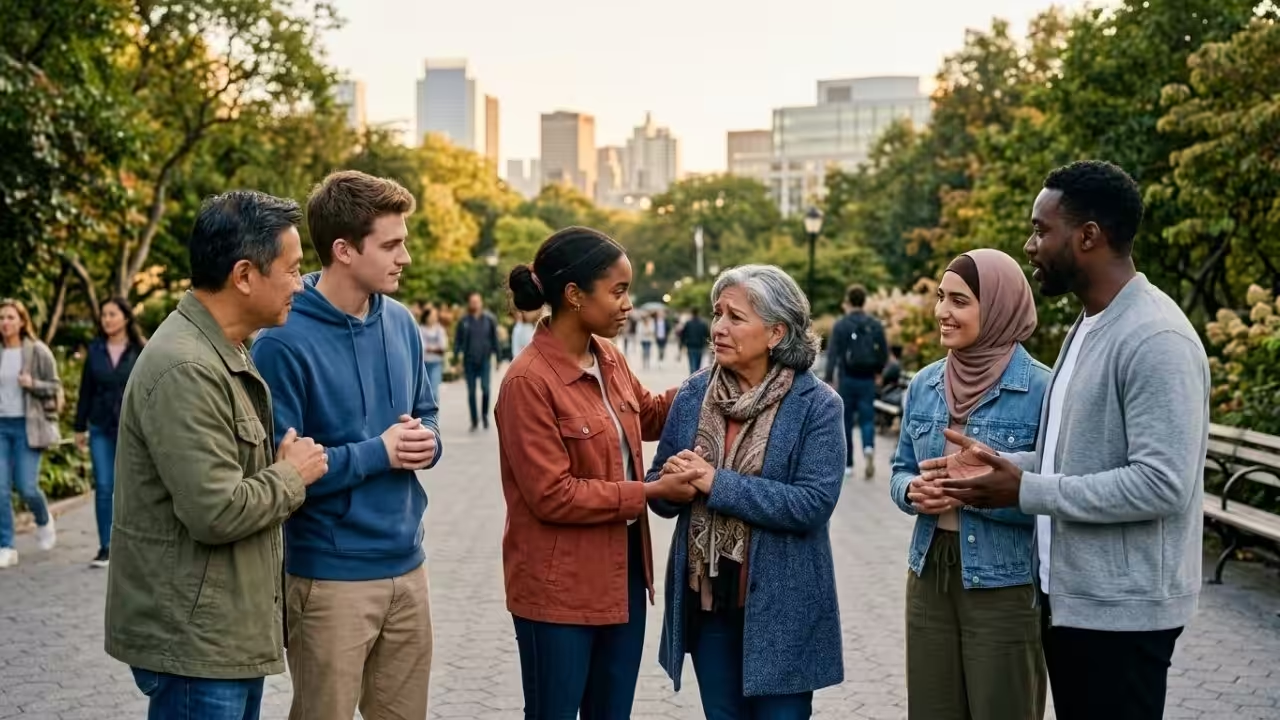
Empathy is increasingly being recognized as one of the most important social skills for maintaining peace in modern societies. Psychologists define empathy as the ability to understand and respond to others’ feelings, and research shows that higher levels of empathy are linked to lower conflict, better cooperation, and stronger communities. In a world where cultural, political, and economic differences often create tension, empathy plays a key role in maintaining social stability.
According to studies published by the American Psychological Association, people who show empathetic behavior are more likely to support fairness, resolve disagreements calmly, and help others in difficult situations. Governments, educators, and social researchers now consider empathy not only a personal trait but also a social resource that supports harmony in families, workplaces, and public life.
Table of Contents
What Empathy Means in Psychology and Social Science
In psychology, empathy is usually divided into cognitive empathy and emotional empathy. Cognitive empathy is understanding another person’s perspective, while emotional empathy is feeling concern for another person’s situation. Both forms help individuals respond in a balanced and respectful way.
Research from the American Psychological Association explains that empathy helps people regulate emotions and avoid aggressive reactions. When individuals think about how others feel, they are less likely to respond with anger or hostility.
Neuroscience studies also show that empathy activates brain regions involved in decision-making and emotional control. This biological response explains why empathy often leads to helping behavior and reduces conflict in social groups.
How Empathy Strengthens Social Harmony
Social harmony means that individuals and groups live together peacefully while respecting differences. Empathy makes this possible by encouraging people to listen, understand, and respond carefully rather than react emotionally. Different areas of society witness the impact of empathy.
| Social Area | Role of Empathy | Result for Society |
|---|---|---|
| Family life | Understanding emotions | Stronger relationships |
| Education | Respect among students | Positive environment |
| Workplace | Cooperation and trust | Higher productivity |
| Community relations | Mutual support | Fewer conflicts |
| Public policy | Consideration of needs | Balanced decisions |
Studies by the World Health Organization also show that emotional understanding improves cooperation within communities. When people feel understood, they are more willing to cooperate, which helps maintain societal stability.
Role of Empathy in Conflict Prevention
Many conflicts begin when people feel ignored or misunderstood. Empathy helps reduce these situations by encouraging careful listening and respectful communication. In counseling, diplomacy, and mediation, empathy is a primary tool for resolving disagreements.
Common empathy-based practices used in conflict resolution include:
- Listening without interrupting
- Acknowledging the other person’s feelings
- Asking questions before reacting
- Avoiding personal attacks
- Searching for solutions that benefit both sides
Research in negotiation psychology shows that conflicts handled with empathy are more likely to end peacefully and with long-term cooperation.
International organizations such as the United Nations Educational, Scientific, and Cultural Organization (UNESCO) also promote empathy education as a way to reduce violence and discrimination.
Empathy in Education and Child Development
Education systems around the world are increasingly incorporating emotional learning programs that teach students to understand their feelings and respect differences. These programs help children develop communication skills and reduce aggressive behavior.
Teachers often use group discussions, role-playing, and teamwork to help students see situations from different perspectives. According to research from the Centers for Disease Control and Prevention (CDC), social and emotional learning improves classroom behavior and reduces bullying.
The long-term effect of empathy education is significant. Adults who learned empathy skills early in life are more likely to maintain stable relationships and work effectively with others.
Empathy and Social Equality in Modern Societies
Empathy also plays an important role in creating fair and inclusive communities. When people understand the difficulties others face, they are more likely to support equal rights and social support programs. This factor is especially important in diverse societies, where differences in culture, income, or ability may lead to misunderstandings.
| Area of Inclusion | How Empathy Helps | Social Outcome |
|---|---|---|
| Disability rights | Understanding challenges | Better accessibility |
| Gender equality | Respect for experiences | Fair opportunities |
| Cultural diversity | Acceptance of differences | Peaceful coexistence |
| Mental health awareness | Recognizing struggles | Supportive communities |
| Economic hardship | Awareness of need | Social welfare support |
Public awareness campaigns often use real-life stories to increase empathy because emotional understanding makes people more willing to support fair policies.
Why Empathy is Becoming More Important in the Digital Age
Modern communication has changed the way people interact. Online conversations are often fast and brief, which makes it harder to understand emotions. Without facial expressions or tone of voice, misunderstandings can increase.
Researchers also note that constant exposure to negative news can lead to emotional fatigue, reducing the ability to respond with empathy. At the same time, global communication means people interact with others from different cultures more often, making empathy even more important.
Experts suggest that empathy can be strengthened through daily habits such as:
- Paying attention while listening
- Trying to understand different viewpoints
- Spending time in face-to-face conversation
- Learning about other cultures
- Practicing respectful communication
These simple actions help maintain emotional awareness even in busy and stressful environments.
Why Empathy Remains Essential for Social Stability
Empathy remains one of the strongest factors supporting peaceful societies. It improves communication, reduces conflict, and encourages fairness. Families, schools, workplaces, and governments all depend on people’s ability to understand one another.
Rules and laws alone do not create social harmony. It depends on everyday behaviors, such as listening, respecting differences, and considering others’ needs. When empathy is present, cooperation becomes easier, and conflicts become less harmful.
Researchers in psychology and social science continue to study empathy because it explains how people from different backgrounds can live together peacefully. In a world that is becoming more connected and complex, empathy remains one of the most reliable foundations of social harmony.