Kindness does not always arrive with noise, recognition, or applause. In many cases, it appears quietly, almost unnoticed, yet leaves a deeper impact than grand gestures ever could. These moments often come during ordinary days, when people are not expecting help, understanding, or comfort. That is what makes them powerful. They reach individuals at exactly the moment they are most vulnerable, without asking for attention in return.
The following stories recreate all 12 moments from the source in a more detailed, human-centered way. Each section has been expanded to reflect not just what happened, but why it mattered. Together, they show that kindness, when offered quietly and sincerely, can shape memories for years and sometimes even change the course of a life.
Table of Contents
A Teacher Who Protected a Child’s Dignity

School can be a place where differences become visible very quickly. For a student, not having lunch money was not just a small inconvenience; it was a source of daily anxiety. The fear of being singled out or pitied can weigh heavily on a child, especially in an environment where peers are constantly watching one another.
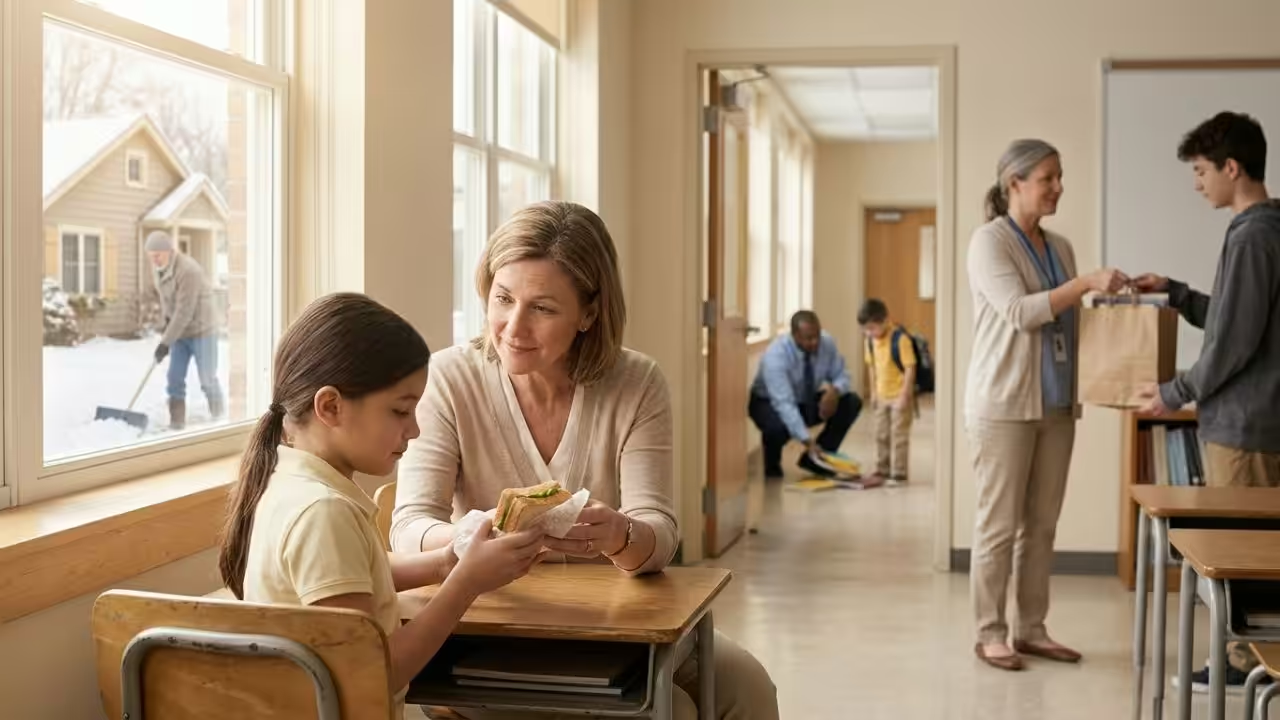
A teacher noticed what others might have ignored. Instead of confronting the situation directly or drawing attention to it, she chose a thoughtful approach. She began asking the student to stay back during lunch to “help” with classroom tasks. It seemed routine, even ordinary. But in her desk drawer, she always kept extra food.
Each time, she would casually mention that she had packed more than she needed. There was no explanation, no pressure to express gratitude, and no sign that this was anything unusual. Over time, this quiet routine ensured that the student never went hungry, but more importantly, never felt ashamed.

Years later, the memory remained vivid not because of the food itself but because the teacher understood that preserving dignity can matter just as much as solving a problem.
A Coworker Who Remembered the Taste of Home
Relocating to a new city often looks exciting from the outside, but the emotional reality can be quite different. New surroundings, unfamiliar faces, and the absence of close relationships can create a quiet sense of isolation. One individual deeply missed even small comforts, such as familiar food.
During a casual office conversation, they briefly mentioned missing dishes from home. It was not a dramatic statement, just a passing remark that could easily have been forgotten. But someone was listening.

A coworker named Eric later approached them with a small note. On it was the name of a restaurant known for serving similar cuisine. He did not make a big deal out of it, nor did he linger for praise. He simply shared the information and walked away.
When the meal was finally tried, it felt like a connection to something familiar and comforting. In a city that still felt new and distant, that experience brought a sense of belonging. The two never became close friends, yet that one thoughtful act remained unforgettable.
Sometimes, kindness is simply about paying attention when others speak, even casually.
An Elderly Neighbor Who Cleared More Than Snow
Winter often brings challenges that go beyond cold weather. For someone working night shifts, even simple tasks like clearing snow can become exhausting. One person noticed that their driveway was always cleared in the morning, even before they woke up.
At first, it seemed like a service or arrangement. But one day, they saw the truth. An elderly neighbor, well into his later years, was carefully shoveling the snow with slow, steady movements.
When asked why he was doing it, his answer was simple. He had noticed how tired the neighbor looked after night shifts and wanted to help. There was no expectation of payment or recognition.
He continued this routine for two winters. The act itself was practical, but its emotional impact was far greater. It reminded someone living alone that care can quietly exist just across the street.
In a season often associated with isolation, that daily gesture became a symbol of warmth.
A Librarian Who Understood Silence
For a teenager living in a tense home environment, silence can feel like a form of relief. One 16-year-old began spending long hours in a local library, not always to study, but simply to escape constant arguments at home.
The librarian, Ruth, observed this pattern over time. She did not ask questions or intrude. Instead, she allowed the teenager to exist in that safe space without pressure.
One evening, as the library prepared to close early due to a snowstorm, the teenager hesitated, unsure where to go next. That uncertainty did not go unnoticed. Ruth handed over a paper bag, saying it contained extra books.
Inside were novels, a pack of hot chocolate, and a handwritten note suggesting that stories can provide comfort when life feels overwhelming. She never mentioned it again.
That quiet understanding offered without curiosity or judgment became something the teenager carried long after leaving that phase of life.
A Wedding Guest Who Saved the Only Memories of the Day
Weddings are often seen as carefully planned events, but not everything goes as expected. For one couple, a modest backyard wedding was already shaped by financial limitations. Still, it was meaningful because it brought together the people who mattered most.
When the hired photographer failed to arrive, the atmosphere quickly shifted. What should have been a joyful day risked becoming a memory without visual proof.
Amid the confusion, a guest named Dana quietly stepped forward. Without announcing herself, she began taking photographs throughout the event. She captured moments naturally laughter, small conversations, and quiet exchanges.
A week later, she shared hundreds of images with the couple. Those photographs became the only visual record of their wedding.
Dana never turned her effort into a story about herself. Yet her presence ensured that one of the most important days of their lives would not be forgotten.
A Grandmother Whose Kindness Outlived Her Memory
Memory loss can take away names, dates, and even identities. But sometimes, it cannot erase deeply ingrained habits of kindness. One grandmother, living with early dementia, struggled to remember recent events.
Despite that, she continued writing grocery lists and preparing food for others, something she had done for years. One day, a note was found with a reminder to buy extra carrots for a neighbor’s child who liked them.
The detail was touching but also bittersweet. The child had moved away years earlier, yet the grandmother’s instinct to care remained intact.
Even as her memory faded, her kindness persisted. It showed that compassion, when practiced consistently, becomes part of a person’s core identity.
A Bus Driver Who Gave Someone a Minute
Public transport often operates on strict schedules, leaving little room for delays. One evening, a student rushing to catch the last bus tripped and dropped their belongings just as the bus arrived.
The driver could have continued on schedule, as many would expect. Instead, he parked the bus and stepped outside to help gather everything.
Some passengers expressed frustration, but the driver remained calm. He offered a simple explanation: everyone deserves a minute.
That small pause changed how the student viewed everyday interactions. It demonstrated that even in fast-moving environments, there is always room for empathy.
A Father Who Chose Quiet Time Over Easy Answers
Children often process emotions differently from adults. During a difficult divorce, one father began taking his child fishing every weekend. At the time, it seemed like a hobby or a distraction.
Years later, the truth emerged. He did not enjoy fishing and often felt uncomfortable doing it. But he had learned that shared activities can create space for children to open up naturally.
He never forced conversations or offered lectures. Instead, he created an environment where silence felt safe, and communication could happen without pressure.
His effort was not visible in dramatic ways, but it built trust during a time when stability was needed most.
A Judge Who Waited for Every Word
For a child with a speech difficulty, public situations can feel overwhelming. During a school event, one boy froze while presenting his project due to a stutter.
Instead of rushing him, a judge chose patience. He asked questions slowly and waited for each answer, giving the boy time to respond without interruption.
That moment may have seemed small to others in the room, but for the child, it was transformative. It was the first time someone outside his family treated his words with full respect.
Patience, in that moment, became a powerful form of encouragement.
A Janitor Who Helped Rebuild More Than a Project
Late-night work sessions can push students to their limits. One college student, facing a looming deadline, watched their project fall apart hours before submission.
Feeling overwhelmed, they sat on the floor, unsure of what to do next. A janitor passing by noticed and stopped to help.
Using tools and practical skills, he worked alongside the student to rebuild the project. In conversation, he mentioned having experience in building and crafting.
The student not only completed the project but also gained a new perspective that help can come from unexpected places, and every role carries its value.
A Manager Who Refused to Let Someone Struggle Alone
Workplace challenges are not always visible. Once a manager noticed that an employee regularly skipped lunch, a detail that could easily be overlooked.
Instead of addressing it directly, he created a solution that preserved the employee’s dignity. He offered a prepaid card, explaining it came from a company wellness program.
Only later did the employee learn that no such program existed. The manager had personally arranged it to ensure the support did not feel like charity.
His approach highlighted an important principle: how help is given can matter just as much as the help itself.
A Stranger Who Reconnected a Lost Family
The final story carries emotional weight that extends beyond a single moment. A mother lost her young child at a crowded fair and lived with that loss for years.
Years after a car accident, she encountered a young girl who had come to help. During their conversation, an unexpected truth emerged.
The girl revealed that her mother had once found a lost child and taken him home. Circumstances forced her to raise him as her own. Before passing away, she confessed the truth.
The girl had been searching ever since. That search ended in a hospital room, where a long-separated family was finally reunited.
What began as a single act bringing a child home eventually led to a reunion that changed multiple lives.
Why Quiet Kindness Endures
These stories reveal a consistent pattern. Kindness does not need to be visible to be meaningful. In fact, its quiet nature often makes it more genuine and lasting.
Each moment reflects awareness, empathy, and a willingness to act without recognition. Whether it is a teacher protecting dignity, a stranger offering help, or a neighbor showing care, these actions leave a lasting imprint.
Over time, people may forget words or details, but they usually remember how someone made them feel. That is why quiet kindness does not fade. It becomes part of a person’s emotional memory, shaping how they see the world and others.