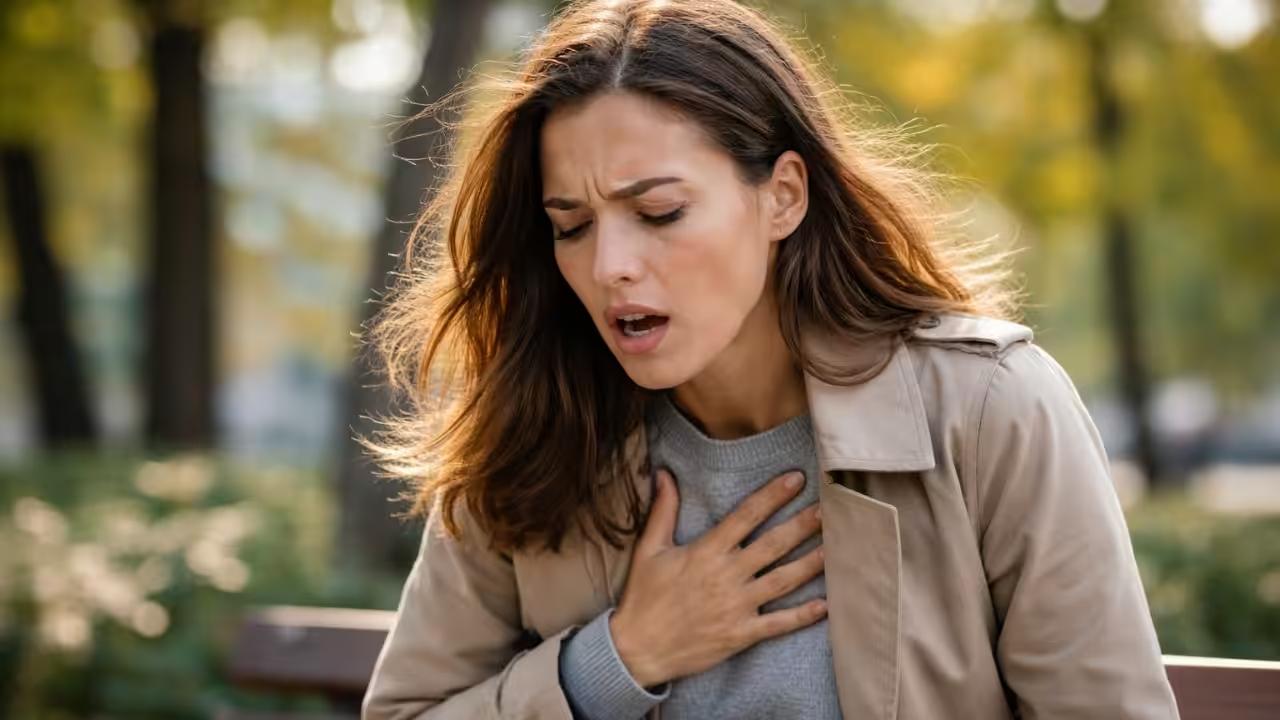
Panic attacks are increasingly recognized as a major public health concern linked to anxiety disorders. These sudden episodes of intense fear can occur without warning and often bring severe physical symptoms such as rapid heartbeat, shortness of breath, dizziness, and chest discomfort. Because these symptoms resemble serious medical emergencies, many people initially believe they are experiencing heart problems or other life-threatening conditions.
Mental health experts emphasize that panic attacks are a natural stress response triggered inappropriately by the brain’s fear system. According to global health authorities, anxiety disorders affect hundreds of millions of people worldwide, and panic attacks are a common symptom in many of these cases. Understanding the signs, causes, and treatment options can help individuals respond calmly and seek the right support when needed.
Table of Contents
What Exactly Happens During a Panic Attack

A panic attack occurs when the body’s alarm system suddenly activates, even though there is no real danger present. The brain’s amygdala, which detects threats, sends signals that trigger the release of stress hormones like adrenaline. This biological reaction triggers the well-known “fight-or-flight” response.
During this process, the heart begins beating faster, breathing becomes rapid, and muscles tense as the body prepares to react to danger. However, when the response occurs without a real threat, it produces overwhelming fear and discomfort.
According to information provided by the National Institute of Mental Health panic disorder resource, panic attacks usually reach their peak within minutes and may last between 5 and 30 minutes before gradually subsiding.
Common Symptoms People Experience

Although panic attacks vary from person to person, most episodes involve both physical and emotional symptoms. These symptoms can appear suddenly and escalate quickly.
Some of the most frequently reported signs include:
- Rapid heartbeat or heart palpitations
- Shortness of breath or hyperventilation
- Chest pain or tightness
- Trembling or shaking
- Sweating or chills
- Fear of losing control or dying
These symptoms can be extremely distressing. Many people report visiting emergency rooms during their first panic attack because the experience feels similar to a heart attack.
Physical and Psychological Symptoms
| Symptom Category | Common Signs | Why It Happens |
|---|---|---|
| Cardiovascular | Rapid heartbeat, chest discomfort | Adrenaline increases heart activity |
| Respiratory | Shortness of breath, fast breathing | Body attempts to increase oxygen supply |
| Neurological | Dizziness, tingling sensations | Changes in breathing and blood flow |
| Emotional | Intense fear, feeling detached | Brain misinterprets body signals as danger |

Health organizations note that although these symptoms feel severe, they are usually temporary and do not cause permanent physical harm.
What Triggers Panic Attacks
Researchers believe panic attacks result from a combination of biological sensitivity and environmental stress. In many cases, multiple factors contribute to the sudden activation of the brain’s fear response.
Studies referenced by the World Health Organization’s mental health fact sheet highlight that anxiety-related conditions can develop through interactions between genetics, stress exposure, and psychological factors.
Several common triggers and risk factors include:
- Long-term stress related to work, studies, or financial pressure
- Major life changes, such as relocation or job loss
- Exposure to traumatic events
- Family history of anxiety disorders
- High caffeine intake or stimulant use
Not everyone with these risk factors will experience panic attacks, but they may increase vulnerability.
How Panic Attacks Affect Daily Life
While a single panic attack may pass quickly, repeated episodes can have a strong psychological impact. Many people begin worrying about when the next attack will occur, which can lead to a cycle of fear and anticipation.
This constant concern may cause individuals to avoid certain places or activities where they previously experienced an attack. For example, someone might stop using public transportation, avoid crowded environments, or hesitate to travel.
The Centers for Disease Control and Prevention mental health information notes that anxiety conditions can influence sleep patterns, productivity, and overall quality of life if left unmanaged.
Difference Between Panic Attacks and Panic Disorder
Although panic attacks are common, repeated attacks combined with persistent fear of future episodes may lead to a condition known as panic disorder. Mental health professionals diagnose panic disorder when attacks occur frequently and begin interfering with daily functioning.
| Feature | Panic Attack | Panic Disorder |
|---|---|---|
| Frequency | Occasional episodes | Repeated and unpredictable |
| Emotional Impact | Temporary distress | Persistent fear of future attacks |
| Behavioral Changes | Usually minimal | Avoidance of certain places or situations |
| Medical Classification | Symptoms of anxiety | Recognized anxiety disorder |
Understanding this distinction is important because panic disorder often requires structured treatment.
Treatment Options and Coping Strategies
Mental health specialists report that panic attacks are highly treatable when individuals receive appropriate support. Treatment plans often combine therapy, medical care, and practical coping techniques.
Common management approaches include cognitive behavioral therapy, which helps people understand and change thought patterns linked to panic symptoms. Doctors may also prescribe medication in some cases to regulate anxiety-related brain chemistry.
Simple coping techniques can also reduce the intensity of an attack. Slow breathing exercises, grounding techniques, and relaxation practices are often recommended to calm the nervous system. Early treatment is important because addressing anxiety symptoms early can prevent long-term complications, such as chronic anxiety disorders, depression, and impaired daily functioning.
Growing Awareness Around Mental Health
Recently, public awareness about anxiety and panic attacks has increased significantly. Mental health campaigns by governments, healthcare organizations, and advocacy groups encourage individuals to talk openly about symptoms and seek professional help when necessary.
Greater awareness has helped reduce stigma around anxiety disorders and encouraged more people to access support services. Educational initiatives also emphasize that panic attacks are manageable medical conditions rather than signs of personal weakness.
Why Recognizing Panic Attacks Matters
Panic attacks can be frightening experiences, particularly for individuals encountering them for the first time. However, growing medical research shows that these episodes are a natural response of the body’s stress system and can be effectively treated with proper care.
By recognizing the symptoms, understanding potential triggers, and seeking professional guidance when needed, individuals can manage panic attacks and reduce their impact on daily life. Increasing awareness and accurate information remain key steps toward improving mental health outcomes worldwide.