Skip to content
Proactivity Lab Blog
  • Home
  • About
  • Contact
  • Disclaimer
  • Privacy
  • Sitemap
Psychology of Busyness and Stress

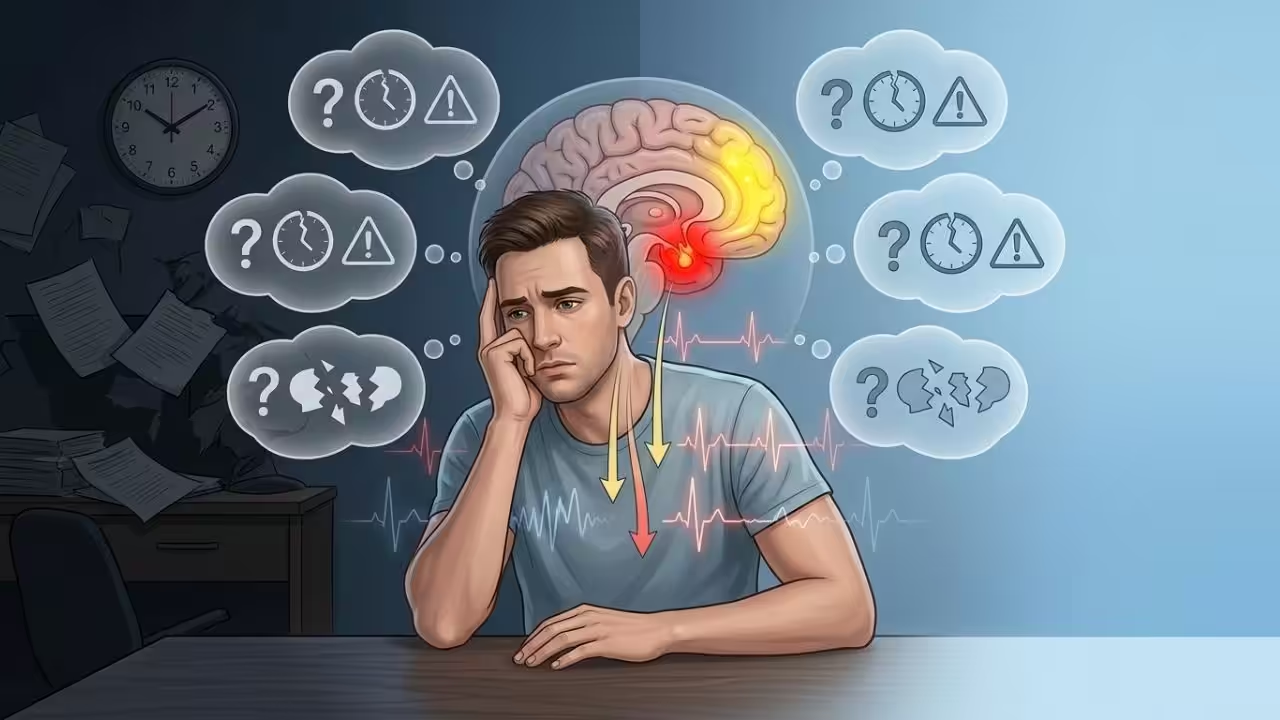
Always Busy, Never Resting – The Hidden Psychology Behind Chronic Busyness and Why It’s Hard to Relax

Many people feel uncomfortable when they are not busy, but research shows this may be linked to brain chemistry, stress hormones, and social pressure. Experts explain why chronic busyness can feel addictive and why learning to slow down is harder than expected.

Barbara Miller

Mar 19, 2026

Rumination Increases Stress Brain Psychology

Stress and Overthinking are Connected – How Rumination Affects the Brain and Increases Stress Hormones

Rumination, or repeated negative thinking, can keep the brain in a constant stress state. Research from major health organizations shows that overthinking may raise cortisol levels, disturb sleep, and increase anxiety, making stress last longer than the original problem.

Michael Brown

Mar 19, 2026

Psychology of Avoidance Behavior

Psychology of Avoidance Behavior: The Hidden Habit That Increases Stress

Avoidance behavior is a common psychological pattern that makes people delay tasks, escape stress, or ignore problems. Research shows the brain learns avoidance as a safety response, but repeated avoidance can increase anxiety and reduce confidence over time.

Michael Brown

Mar 18, 2026

Calm vs Panic Psychology Crisis Response

Brain, Training, and Experience – The Real Reason Some People Stay Calm in Crisis

Some people stay calm even in dangerous situations, while others panic. Scientific research shows the reason lies in brain function, training, personality, and experience. Experts explain how stress response works and why emotional control can be developed over time.

Barbara Miller

Mar 18, 2026

Healthy vs Unhealthy Coping Mechanisms

Healthy vs Unhealthy Coping Mechanisms: Health Experts Warn About Unhealthy Stress Responses

Experts warn that the way people cope with stress can affect mental and physical health for years. Health agencies explain the difference between healthy and unhealthy coping mechanisms and why learning the right stress habits is becoming more important today.

Arthur Bennett

Mar 18, 2026

Science of Emotional Resilience Illustration

Emotional Resilience and Stress Control – Why Some Minds Handle Pressure Better

Emotional resilience is not just personality; it is a scientifically studied ability linked to brain function, stress hormones, and life experience. New research explains why some people stay calm under pressure and how resilience can develop over time.

Barbara Miller

Mar 18, 2026

Psychology of Self Respect

Psychology of Self-Respect: What Self-Respect Really Means and Why It Shapes Your Life

Self-respect plays a critical role in mental health, relationships, and decision-making. Psychological research shows that people with strong self-respect maintain emotional balance and healthier boundaries. Understanding how self-respect develops can explain many everyday behaviors and life choices.

Michael Brown

Mar 17, 2026

Older posts
Newer posts
← Previous Page1 … Page4 Page5 Page6 … Page17 Next →
↑
  • Contact
  • About
  • Disclaimer
  • Privacy Policy
© Proactivity Lab Blog - 2026