Gratitude is often described as a simple act of appreciation, but researchers say the feeling has stronger biological effects than many people realize. Studies in neuroscience and psychology show that gratitude can influence brain activity, emotional balance, and long-term mental health. Scientists now believe that regularly practicing gratitude may gradually reshape neural pathways related to reward, stress regulation, and empathy.
Advances in brain imaging have helped researchers observe how positive emotions affect the brain. Evidence suggests that when individuals consciously reflect on things they appreciate, several brain regions involved in motivation, decision-making, and emotional processing become more active. According to research highlighted by the National Institutes of Health (NIH) through its official neuroscience resources, these neurological responses demonstrate how emotional habits can influence brain function over time.
Table of Contents
Growing Scientific Interest in Gratitude
Over the past two decades, gratitude has become a major topic in behavioral science and neuroscience research. Scientists studying positive psychology have examined how appreciation influences mental health, relationships, and cognitive patterns.
Researchers at the National Institute of Mental Health (NIMH) explain that emotional experiences can alter neural circuits responsible for mood and behavior. The institute’s mental health research overview highlights how the brain responds dynamically to emotional stimuli, including positive social interactions such as expressions of gratitude.
Several psychological studies also show that individuals who regularly practice gratitude report higher life satisfaction and lower stress levels. While these outcomes vary among individuals, the consistency of findings has encouraged scientists to explore the biological mechanisms behind gratitude.
Brain Regions Activated When People Experience Gratitude

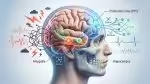
Brain imaging studies have identified several neural structures that become active during gratitude-related experiences. These regions work together to regulate emotions, process social information, and reinforce positive behaviors, thereby enhancing overall well-being and strengthening interpersonal relationships.
| Brain Region | Primary Function | How Gratitude Influences It |
|---|---|---|
| Medial Prefrontal Cortex | Decision-making and emotional evaluation | Helps interpret positive social experiences |
| Ventral Striatum | Reward and motivation | Generates feelings of pleasure and reinforcement |
| Anterior Cingulate Cortex | Empathy and emotional awareness | Strengthens understanding of others’ intentions |
| Hypothalamus | Stress regulation and hormonal balance | Supports emotional stability and bodily regulation |
Neuroscientists believe that repeated activation of these areas may strengthen neural connections associated with optimism and emotional resilience.
Research published in neuroscience journals suggests that gratitude stimulates the brain’s reward system in a way similar to other positive experiences. When people recognize acts of kindness or supportive relationships, the brain processes these events as meaningful rewards.
Neurochemicals That Support Positive Emotional Responses

Gratitude activates specific brain regions and affects the brain’s chemical signaling systems. Neurotransmitters, which are chemical messengers in the brain, and hormones released during positive emotional experiences influence mood, motivation, and social bonding.
| Neurochemical | Role in the Brain | Possible Influence During Gratitude |
|---|---|---|
| Dopamine | Reinforces reward and motivation | Encourages repetition of positive behaviors |
| Serotonin | Stabilizes mood and emotional balance | Contributes to feelings of calm and satisfaction |
| Oxytocin | Supports social bonding and trust | Strengthens interpersonal relationships |
| Cortisol | Stress hormone | Levels may decline when positive emotions dominate |
The Centers for Disease Control and Prevention (CDC) states that positive emotional states can support healthier stress responses and emotional regulation.
How Gratitude Strengthens Neural Pathways Over Time
One of the most important concepts in neuroscience is neuroplasticity, the brain’s ability to reorganize and form new neural connections. Repeated emotional experiences can reshape how the brain processes information.
When individuals consistently focus on positive events or supportive relationships, the brain becomes more efficient at recognizing those experiences. This repeated activation strengthens neural circuits associated with emotional balance and positive thinking.
Psychologists explain that gratitude encourages the brain to shift attention away from purely negative experiences. Instead of focusing solely on stressors, individuals may begin to notice supportive moments, achievements, or acts of kindness that might otherwise go unnoticed.
Common Habits That Encourage Gratitude in Daily Life
Behavioral scientists often recommend simple practices that help people activate gratitude-related brain circuits more consistently. These activities do not require major lifestyle changes but encourage conscious recognition of positive experiences.
- Keeping a gratitude journal where individuals record positive events or supportive interactions during the day.
- Expressing appreciation directly to others through conversations, letters, or messages.
- Reflecting on meaningful experiences before sleep to reinforce positive memories.
Research in positive psychology suggests that these small habits may gradually strengthen neural networks associated with appreciation and emotional regulation.
Psychological and Social Benefits Observed in Research
Scientific studies examining gratitude have reported a range of psychological and social outcomes. While results vary across individuals and research methods, several patterns appear consistently across different studies.
- Individuals who practice gratitude exercises often report higher levels of life satisfaction.
- Gratitude practices have been linked with improved relationship quality and stronger social connections.
- Some studies indicate reduced stress and anxiety symptoms among participants who practice gratitude regularly.
According to Harvard Medical School’s Health Publishing resource on gratitude and emotional well-being, gratitude may influence psychological health by strengthening positive emotional processing.
Why Gratitude is Increasingly Used in Mental Health Programs
Mental health professionals have started incorporating gratitude-based activities into therapeutic settings. Cognitive behavioral therapy programs often use these exercises to help individuals recognize positive experiences alongside challenges.
Hospitals, wellness programs, and educational institutions sometimes encourage gratitude journaling as part of stress management initiatives. While gratitude is not a substitute for clinical treatment, research suggests it may support broader strategies to improve emotional resilience.
Scientists continue to explore how emotional practices interact with brain function. As research expands, gratitude is increasingly viewed as a cognitive habit that can influence neurological processes related to mood, motivation, and social behavior.
Future of Gratitude Research
Researchers expect further studies to examine how gratitude interacts with mental health conditions, social relationships, and long-term cognitive development. Advances in brain imaging technology will likely provide more detail on how emotional habits shape neural structures.
Understanding the neurological underpinnings of gratitude may help researchers develop more effective psychological interventions and preventive mental health approaches. As emotional well-being becomes a growing public health focus, gratitude remains an important area of interdisciplinary research.
A Simple Habit With Measurable Brain Effects
Scientific evidence increasingly suggests that gratitude is more than a cultural tradition or polite social behavior. Neuroscientific research shows that appreciation activates brain regions associated with reward, empathy, and emotional regulation and influences key neurochemical systems.
Through repeated practice, gratitude may strengthen neural pathways that support resilience, positive thinking, and healthy social relationships. While more research is still needed, current findings demonstrate that even simple mental habits can have measurable effects on how the brain processes experiences and emotions, suggesting that incorporating gratitude practices into daily life could enhance emotional well-being and interpersonal connections.